
For most homeowners in Rancho Cucamonga, the plumbing system is a classic case of “out of sight, out of mind.” We rely on it every single day for our morning showers, morning coffee, and evening laundry, yet we rarely give the physical pipes a second thought until something goes wrong. The reality is that the hidden plumbing network in your home is a complex infrastructure subject to constant wear and tear. Over time, high water pressure, chemical reactions, and the simple passage of time take their toll. To avoid catastrophic water damage or the massive headache of expensive mold remediation, it is vital to recognize the early warning signs. Specifically, homeowners need to be able to distinguish between simple aging pipes and the active, urgent leaks that threaten the structural integrity of their property.
At ExpeDry, we’ve seen how a small “rust spot” can evolve into a flood overnight. Here is how you can tell if your pipes are just showing their age or if you are sitting on a plumbing time bomb.
1. Visible Corrosion and Rust: Spotting the “Pimples”
The most obvious sign of trouble is often right in front of you, provided you know where to look. If you have an older home in the Inland Empire, your pipes are likely made of galvanized steel or copper. While these materials are durable, they aren’t immortal.
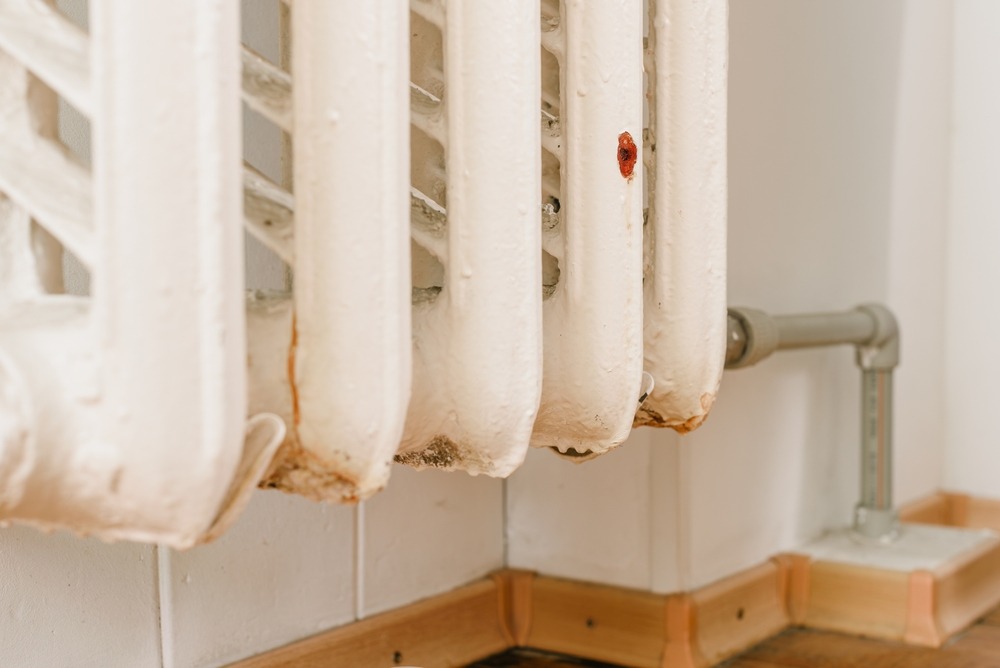
When inspecting your exposed pipes, usually in the garage, basement, or under sinks, look for flaking or rust colored “pimples.” These bumps are more than just an aesthetic eyesore; they are often “calcified leaks.” As a pipe corrodes from the inside out, tiny pinhole leaks allow water and minerals to seep through. This water evaporates, leaving behind a crusty, rusted deposit. If you see these vertical streaks of rust or raised oxidation bubbles, the pipe wall has likely thinned to the point of failure. Touching these “pimples” can sometimes cause them to pop, leading to an immediate leak, so it is best to have a professional assess them.
2. Discolored Water: What Your Tap is Telling You
Your water should be crystal clear. If you turn on the faucet after a few hours of non-use and notice a brown, orange, or yellow tint, your pipes are sending you a distress signal.
This discoloration is typically caused by internal rust sloughing off the inner walls of your pipes and entering your water stream. While the EPA notes that rust in water is often more of an aesthetic issue than a direct health risk, it indicates that your pipe’s structural integrity is compromised. Furthermore, if that rust is accompanied by lead (common in very old soldered joints), it poses a significant risk to your family’s health. If the water clears up after running for a minute, the corrosion is likely in your home’s piping rather than in the city main. This is a clear indicator that the pipes are decaying and a leak is imminent.
3. Low Water Pressure: The Silent Warning
Many homeowners attribute low water pressure to “just the way the house is,” or perhaps a neighborhood-wide issue. However, a sudden or gradual drop in flow is often the first silent warning of a pipe failure.
There are two main reasons rust leads to low pressure. First, internal corrosion can cause tuberculation, in which rust builds up inside the pipe like plaque in an artery, narrowing the passage through which water flows. Second, that drop in pressure might be due to water escaping before it ever reaches your faucet. If a pipe has a significant leak behind a wall, you’ll lose the “push” required to maintain a strong stream. If you notice your shower head feels weaker than it did six months ago, don’t ignore it: it’s a sign of internal decay.
4. Unusual Sounds and Odors: The Senses of Plumbing
Sometimes you can hear or smell a plumbing problem before you see it. Corrosion doesn’t just eat through metal; it changes the environment inside your walls.
- Metallic Smells: If your water or the air around your cabinets has a sharp, “pennylike” metallic odor, you are likely smelling oxidized metal from decaying pipes.
- Water Hammer: Do your pipes make a loud “bang” when you turn off the water? This is known as water hammer. While it can be caused by high pressure, in older systems it can also indicate that the mounting brackets have rusted away or that the pipes have become brittle, making them more susceptible to bursting under the shock of a pressure change.
- Sewage or Musty Odors: If the corrosion has reached your drain lines, you may notice a persistent musty or “rotten egg” odor, signaling that sewer gases are escaping through cracks in the aged cast iron or PVC.
5. Mystery Moisture: The Pinhole Leak
Not every leak starts with a bang. In fact, some of the most destructive water damage comes from pinhole leaks, which are tiny, needle-sized holes caused by localized corrosion.
Keep a close eye on your drywall and flooring. Mystery moisture, such as a damp spot on a ceiling, a bubbling patch of paint, or a floorboard that feels slightly “spongy,” is a major red flag. Because these leaks are so small, they don’t always cause a flood immediately. Instead, they provide a constant source of moisture that feeds mold growth and rots wooden studs. By the time the spot is visible to the naked eye, the damage inside the wall may already be extensive.
Why Partnering with ExpeDry is Essential
When it comes to rusty pipes, the line between “old” and “broken” is razor-thin. Attempting a DIY fix on a corroded pipe often leads to more trouble, as the brittle metal can crumble under the weight of a wrench. This is why partnering with a professional restoration and plumbing specialist is essential for long-term home health.
At ExpeDry, we specialize in more than just fixing a leak; we restore your peace of mind. Our team understands the specific plumbing challenges faced by homeowners in the Inland Empire, from the effects of local water chemistry to the aging infrastructure of our beautiful neighborhoods. We don’t just patch the problem; we assess the extent of the moisture damage, ensure no mold has begun to take hold, and provide a comprehensive plan to secure your home’s future.
Don’t wait for a “pimple” to become a puddle. Contact ExpeDry today for a professional pipe inspection and water damage assessment. Let’s keep your home dry, safe, and sound.