
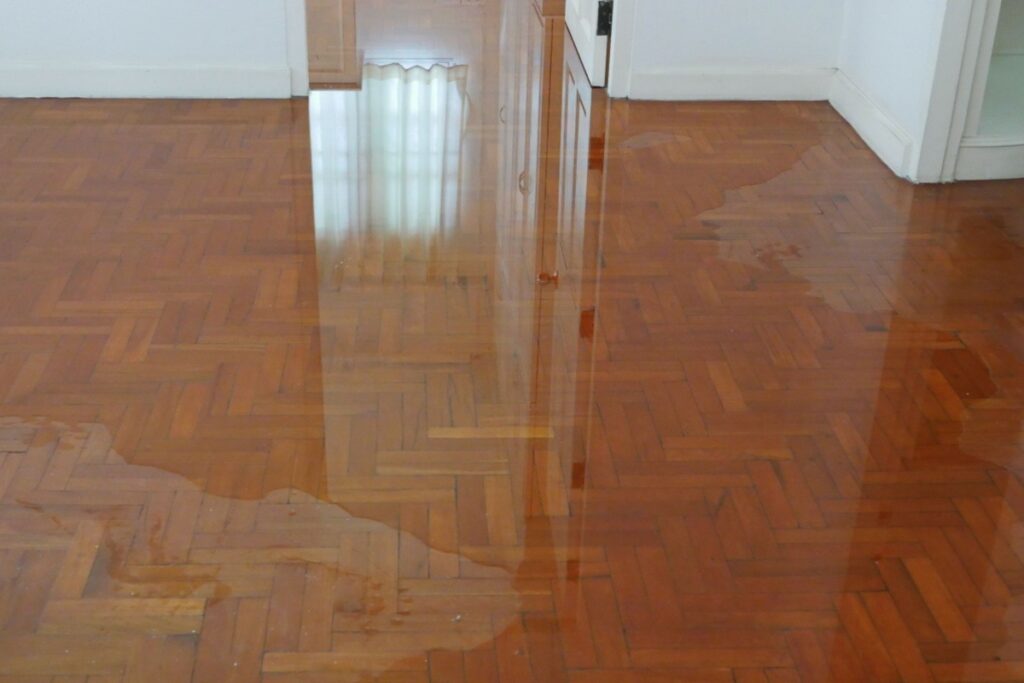
Standing water in a home may look like a simple puddle, but it can be a sign of something much more serious. Water that lingers indoors can weaken your property, threaten your health, and create conditions for mold or mildew to grow. You might see it in a basement, crawl space, or even on a kitchen floor. Once it appears, it rarely disappears on its own.
The truth is, the longer water stays still, the greater the risk of damage, contamination, and stress for you. That is why quick action matters. ExpeDry offers water extraction and drying, water damage restoration, storm damage solutions, and more, so your space gets the fresh start it needs. Reach out today and let us help you take back control of your home.
What Standing Water Means for Your Property
In the simplest terms, standing water refers to any amount of water that has accumulated in an area of your home and is not draining away. It could be a large flood in your basement or a small puddle that keeps reappearing in your crawl space. This unwelcome moisture is often found in the lowest levels of a home, such as basements and crawl spaces, but it can also appear in bathrooms, kitchens, and laundry rooms.
Why Standing Water Is a Serious Problem
A little puddle might seem harmless, but it represents a significant hazard to both your property and your well-being. Structurally, water can weaken wooden supports, cause foundation issues through erosion, and ruin drywall and flooring, leading to costly repairs.
Even more critical are the health risks. Standing water is a breeding ground for bacteria, mold, and mildew. These microorganisms release spores into the air, which can diminish your indoor air quality and potentially cause respiratory issues. It can also attract pests, such as mosquitoes, which can carry diseases. This contamination risk means every instance of standing water should be addressed quickly.
Top Causes of Standing Water in a Home
Water can find its way into your home through several paths. Pinpointing the source is the first step toward a lasting solution.
Plumbing Issues
Your home’s plumbing is a complex network of pipes and fixtures. A tiny leak in a pipe behind a wall, a cracked seal on a plumbing fixture, or a major pipe burst can all release a surprising amount of water into your living space.
Appliance Failures
Many of our daily appliances use water. A faulty washing machine hose, a leaking dishwasher, or a failing water heater can quickly flood a room. Regular maintenance can help, but sometimes these failures are sudden.
Roof Leaks
Your roof is the first line of defense against rain. If shingles are missing, flashing is damaged, or gutters are clogged with debris, water can seep into your attic and eventually make its way down into your home’s main structure.
Foundation Cracks
The foundation of your home sits against the soil. Cracks in the foundation walls or floor slab can allow groundwater to seep in, especially after heavy rainfall. This is a frequent cause of a wet basement or crawl space.
Poor Drainage
Your property’s landscaping should be graded to direct water away from the foundation. If the soil slopes toward your house, or if your downspout extensions are too short, rain will pool against your home and look for a way in. A clogged storm drain can also cause water to back up toward your property.
Severe Weather
Sometimes, the cause is an overwhelming force of nature. A major storm can produce a flood that overwhelms your sump pump, saturates the ground, and forces water into your home through any available opening.
What to Do If You Discover Standing Water
If you discover a small amount of water and can identify the source, there are a few immediate actions you can take. These steps are intended as temporary measures to limit the damage until a professional arrives.
- Shut Off the Water Source: If the water is coming from a plumbing leak or a broken appliance, find the main water shutoff valve for your home and turn it off. This will stop the flow and prevent the puddle from growing.
- Remove a Minor Clog: For a small overflow from a sink or tub, you may be able to clear the clog yourself with a plunger or a drain snake.
- Soak Up Small Spills: For minor spills on hard surfaces, use towels or a mop to absorb the liquid. Be sure to dry the area completely afterward to prevent mildew.
When to Call a Professional for Water Extraction & Drying
You should call for professional help immediately if the standing water covers a large area, if you suspect it is contaminated with sewage, or if it has been sitting for more than 24 hours.
Our technicians have the powerful equipment needed to extract large volumes of water quickly and use industrial fans and dehumidifiers to thoroughly dry the space, preventing secondary damage like mold growth.
Post-Cleanup Water Damage Restoration
After the water is gone and the area is dry, the work isn’t over. Water damage restoration involves repairing or replacing materials like drywall, flooring, and insulation that were harmed by the moisture. This is a crucial step to restore your home to its original condition and preserve its value.
Long-Term Water Prevention
The best way to deal with standing water is to stop it from ever happening. Consider investing in solutions like professional waterproofing for your basement or installing a vapor barrier in your crawl space. A reliable sump pump is essential for homes in areas with high groundwater levels, and a French drain can redirect water away from your foundation. Proper landscaping and keeping your gutters clean are also key parts of any prevention strategy.
If You Spot Standing Water, Reach Out to ExpeDry for Help!
Discovering standing water in your home can be alarming, but you don’t have to face it by yourself. The ExpeDry team is ready to respond with the expertise and equipment to handle any water problem, big or small. We’ll get your home dry, safe, and restored. Contact us today for assistance!